When a physician recommends occupational therapy for your newborn or infant, it often signals that something interfered with your child’s normal development. For many Florida families, learning that their baby requires therapeutic intervention raises difficult questions about what happened during labor and delivery. If your child’s condition resulted from preventable medical errors, Florida law provides a path to hold negligent healthcare providers accountable and recover compensation for your family’s ongoing care needs.
Filing a birth injury lawsuit in Florida requires understanding the connection between your baby’s therapy needs and potential medical negligence. This guide explains when occupational therapy requirements may indicate malpractice, what you must prove to succeed in a claim, and the procedural steps Florida law mandates before you can file suit.
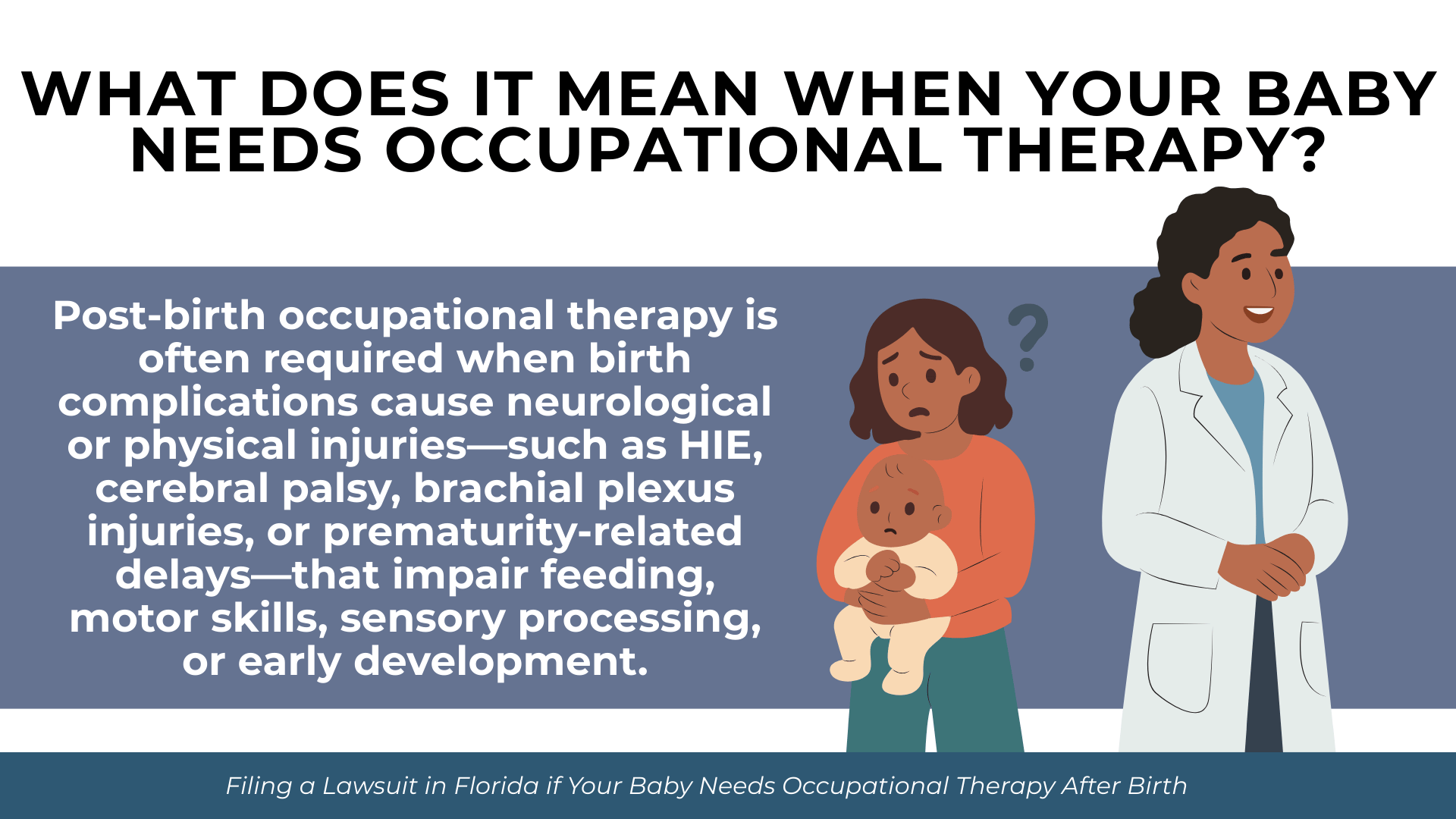
What Does It Mean When Your Baby Needs Occupational Therapy?
Common Conditions That Require Post-Birth OT
Occupational therapy for infants focuses on developing essential skills that birth complications may have disrupted. Therapists work with babies on feeding coordination, motor control, sensory processing, and early developmental milestones. The need for these services often points to underlying neurological or physical injuries sustained before, during, or immediately after delivery.
Conditions that commonly require infant occupational therapy include:
- Hypoxic-ischemic encephalopathy (HIE) resulting from oxygen deprivation during birth
- Brachial plexus injuries causing arm weakness or paralysis from shoulder dystocia
- Cerebral palsy affecting motor function and muscle coordination
- Prematurity-related developmental delays
- Low or high muscle tone (hypotonia or hypertonia) from neurological damage
- Feeding and swallowing disorders linked to birth trauma
- Sensory processing difficulties stemming from brain injuries
According to CDC data (2022), approximately 1 in 345 children in the United States have been identified with cerebral palsy, a condition frequently requiring long-term occupational therapy.
How Birth Complications Can Lead to Developmental Delays
Birth injuries severe enough to require occupational therapy typically involve some form of oxygen deprivation, physical trauma, or neurological damage during the delivery process. According to the BMJ Open study by Wen et al. (2018), forceps delivery carries a birth trauma rate of 25.48 per 1,000 births, while vacuum extraction results in 14.22 per 1,000—both significantly higher than the 4.74 per 1,000 rate for spontaneous vaginal delivery.
When the brain or nervous system sustains damage during delivery, babies may struggle with the foundational skills that occupational therapy addresses. HIE, for example, occurs when inadequate oxygen reaches the brain during labor. According to Medscape’s clinical overview (2023-2024), HIE affects approximately 1-3 cases per 1,000 live births in developed countries, with a U.S. incidence of about 2.4 per 1,000 births.
Signs That Your Baby’s Condition May Be Related to Delivery
Parents often do not immediately connect their baby’s therapy needs to events during birth. Certain indicators suggest that delivery complications may have contributed to your child’s condition. These include emergency interventions during labor, prolonged delivery, umbilical cord complications, abnormal fetal heart rate patterns, low Apgar scores at birth, NICU admission, or seizures in the first days of life.
If your baby required resuscitation, cooling therapy, or extended hospital observation after delivery, these facts may be relevant to understanding whether preventable errors occurred. The timing of when symptoms appeared and when therapy was recommended can help establish the connection between delivery events and your child’s current needs.
When Does the Need for Occupational Therapy Indicate Medical Malpractice?
Call us today at (305) 694-2676 or
contact us online for a free case evaluation.
Hablamos español.


Establishing the Medical Standard of Care During Delivery
Not every baby who needs occupational therapy has a malpractice claim. Florida law requires proving that the healthcare provider failed to meet the prevailing professional standard of care. Under Fla. Stat. § 766.102(1), this standard is defined as “that level of care, skill, and treatment which, in light of all relevant surrounding circumstances, is recognized as acceptable and appropriate by reasonably prudent similar health care providers.”
For obstetricians and delivery room staff, the standard of care includes properly monitoring fetal heart rate patterns, responding appropriately to signs of fetal distress, performing timely cesarean sections when indicated, and using proper technique with assisted delivery instruments. Florida holds specialists to a specialist standard, meaning an obstetrician’s conduct is measured against what other reasonably prudent obstetricians would do under similar circumstances.
Types of Negligence That Can Cause Birth Injuries Requiring OT
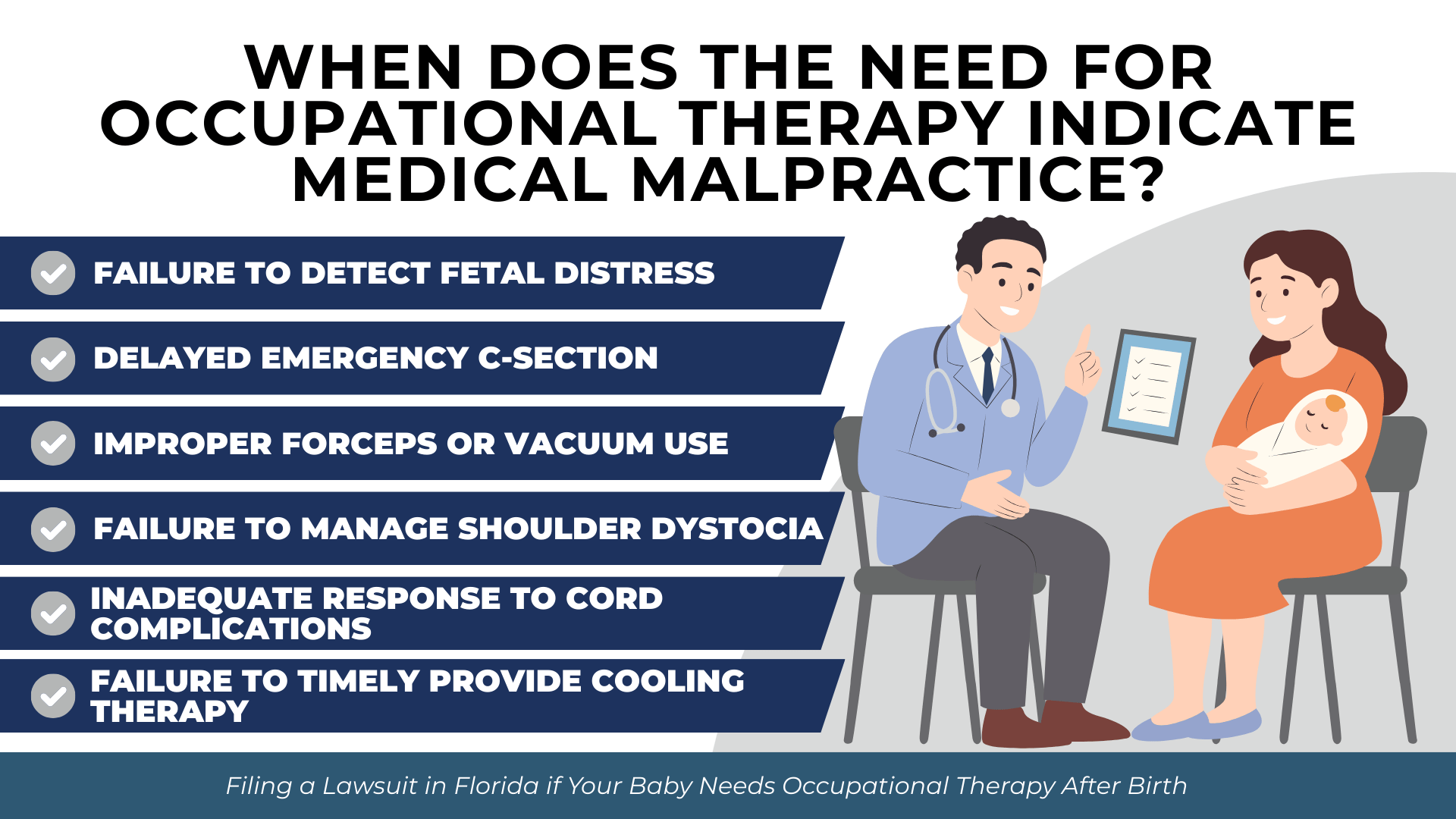
Medical errors during labor and delivery that can result in injuries requiring occupational therapy take several forms. Common categories of negligent conduct include:
- Failure to monitor fetal heart rate tracings and recognize signs of distress
- Delayed decision to perform an emergency cesarean section
- Excessive force or improper technique during forceps or vacuum extraction
- Failure to anticipate and manage shoulder dystocia
- Inadequate response to umbilical cord prolapse or compression
- Failure to administer therapeutic hypothermia within the critical window for HIE
According to the Cochrane Database of Systematic Reviews (Jacobs et al., 2013), therapeutic hypothermia (cooling treatment) reduces combined mortality or major neurodevelopmental disability by 25% when administered promptly for HIE. Failure to initiate this treatment within the required timeframe can constitute a breach of the standard of care.
The Difference Between Unavoidable Complications and Preventable Harm
Florida law recognizes that not all adverse birth outcomes result from negligence. Under Fla. Stat. § 766.102(3)(b), medical injury alone does not create an inference of negligence. Some babies develop conditions requiring therapy despite appropriate medical care.
The critical distinction lies in whether the injury was a known, unavoidable risk of a properly performed procedure versus a preventable consequence of substandard care. For example, according to the AAFP clinical guideline (2004), brachial plexus injuries occur in 4-15% of shoulder dystocia cases. However, fewer than 10% of these injuries result in permanent damage when providers respond appropriately. If excessive traction caused a permanent brachial plexus injury, that may be actionable. If the injury occurred despite proper maneuvers, it may not be.
Similarly, the CDC and American Journal of Obstetrics and Gynecology (2008/2025) report that only 14.5% of cerebral palsy cases are associated with intrapartum asphyxia, with 85-90% being congenital. This statistic underscores the importance of establishing that your child’s specific condition resulted from delivery-related negligence rather than prenatal or genetic factors.
What Must You Prove in a Florida Birth Injury Lawsuit?
Demonstrating a Breach of the Standard of Care
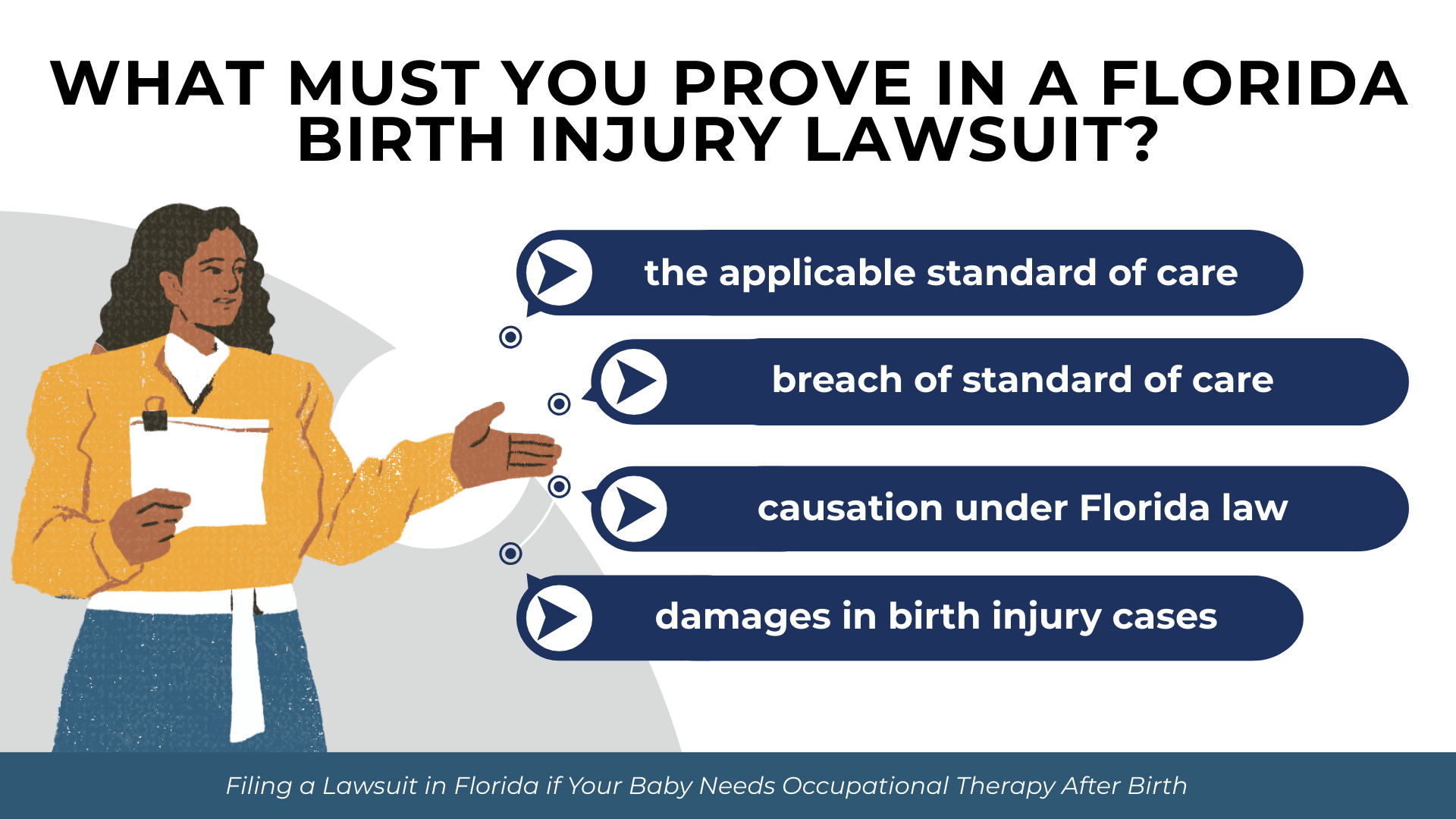
To succeed in a Florida birth injury claim, you must prove four elements: the applicable standard of care, breach of that standard, causation, and damages. The Florida Supreme Court established these requirements in Wale v. Barnes, 278 So. 2d 601 (Fla. 1973).
Proving breach requires expert testimony from a qualified medical professional who can explain what a reasonably prudent provider should have done and how the defendant’s conduct fell short. Under Fla. Stat. § 766.102(5)(a), experts testifying about a specialist’s care must practice in the same specialty and have devoted professional time to active clinical practice, instruction, or research in that specialty during the three years immediately preceding the incident.
Connecting the Breach to Your Baby’s Injuries
Florida applies a “more likely than not” standard for causation, meaning you must prove that the defendant’s negligence was more than 50% likely to have caused your baby’s injuries. The Florida Supreme Court established this requirement in Gooding v. University Hospital Building, Inc., 445 So. 2d 1015 (Fla. 1984), which also rejected the “loss of chance” doctrine.
This causation standard has significant implications. If your baby had only a 40% chance of avoiding injury with proper care, Florida law does not permit recovery. Your expert must be able to testify that proper treatment more likely than not would have prevented the harm that now requires occupational therapy.
Under Ruiz v. Tenet Hialeah Healthsystem, Inc., 260 So. 3d 977 (Fla. 2018), the defendant’s negligence need not be the sole or primary cause—it must only be a “substantial factor” in bringing about the injury.
Documenting Damages Including Therapy Costs
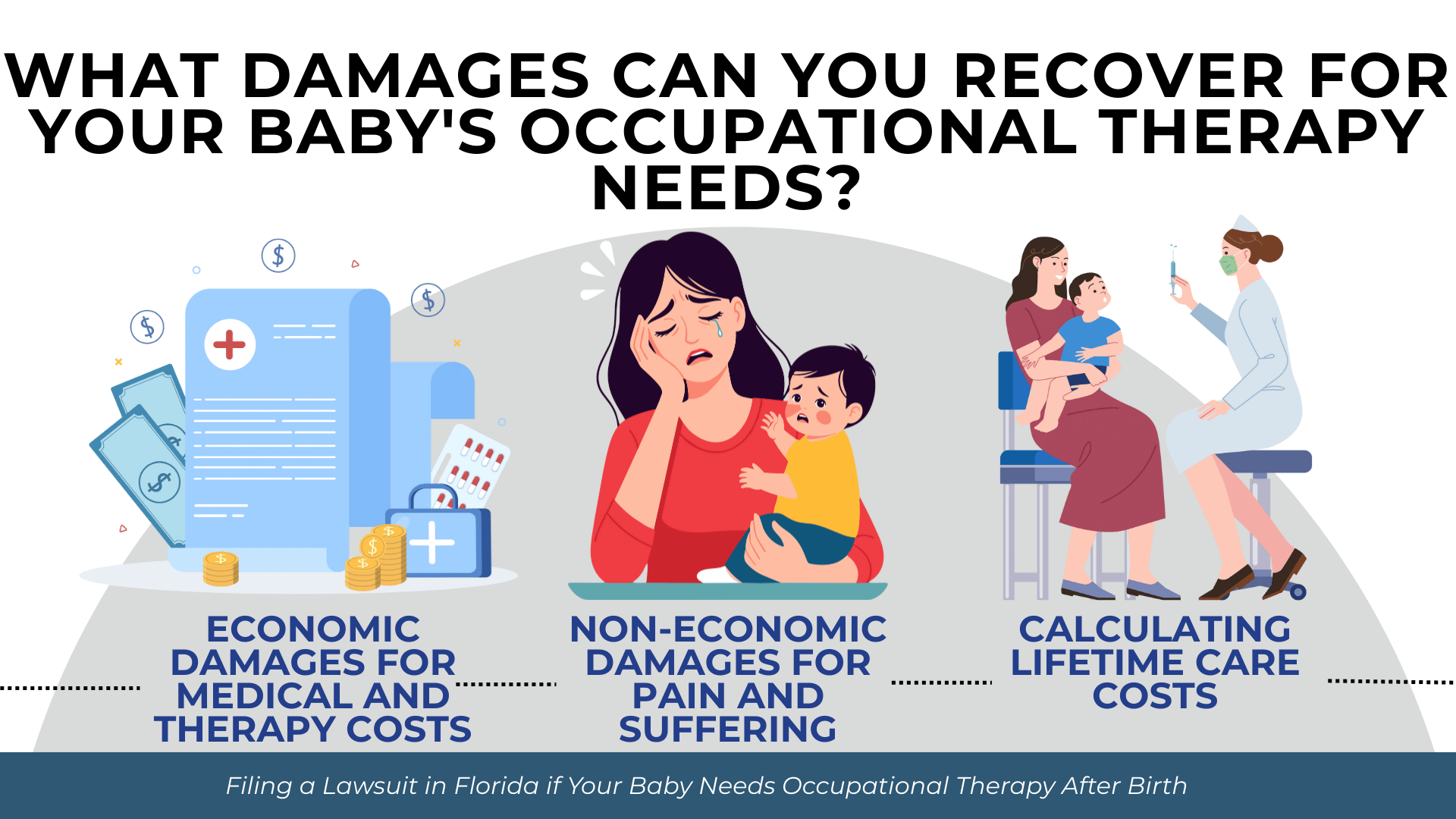
Florida permits recovery of both economic and non-economic damages in medical malpractice cases. Following the Florida Supreme Court’s decisions in Estate of McCall v. United States, 134 So. 3d 894 (Fla. 2014), and North Broward Hospital District v. Kalitan, 219 So. 3d 49 (Fla. 2017), statutory caps on non-economic damages are currently unenforceable as unconstitutional.
Recoverable damages in birth injury cases requiring occupational therapy include:
- Past and future medical expenses, including hospital bills and physician costs
- Occupational therapy costs, both current and projected lifetime needs
- Other therapeutic interventions such as physical therapy and speech therapy
- Special education expenses and adaptive equipment
- Lost earning capacity if the child’s injuries affect future employment
- Pain and suffering experienced by the child
- Parents’ mental anguish and loss of the child’s companionship
Calculating lifetime care costs requires expert testimony from life care planners and economists who can project your child’s ongoing needs and reduce future damages to present value.
What Is Florida’s Pre-Suit Process for Birth Injury Claims?
Mandatory Investigation and Expert Review
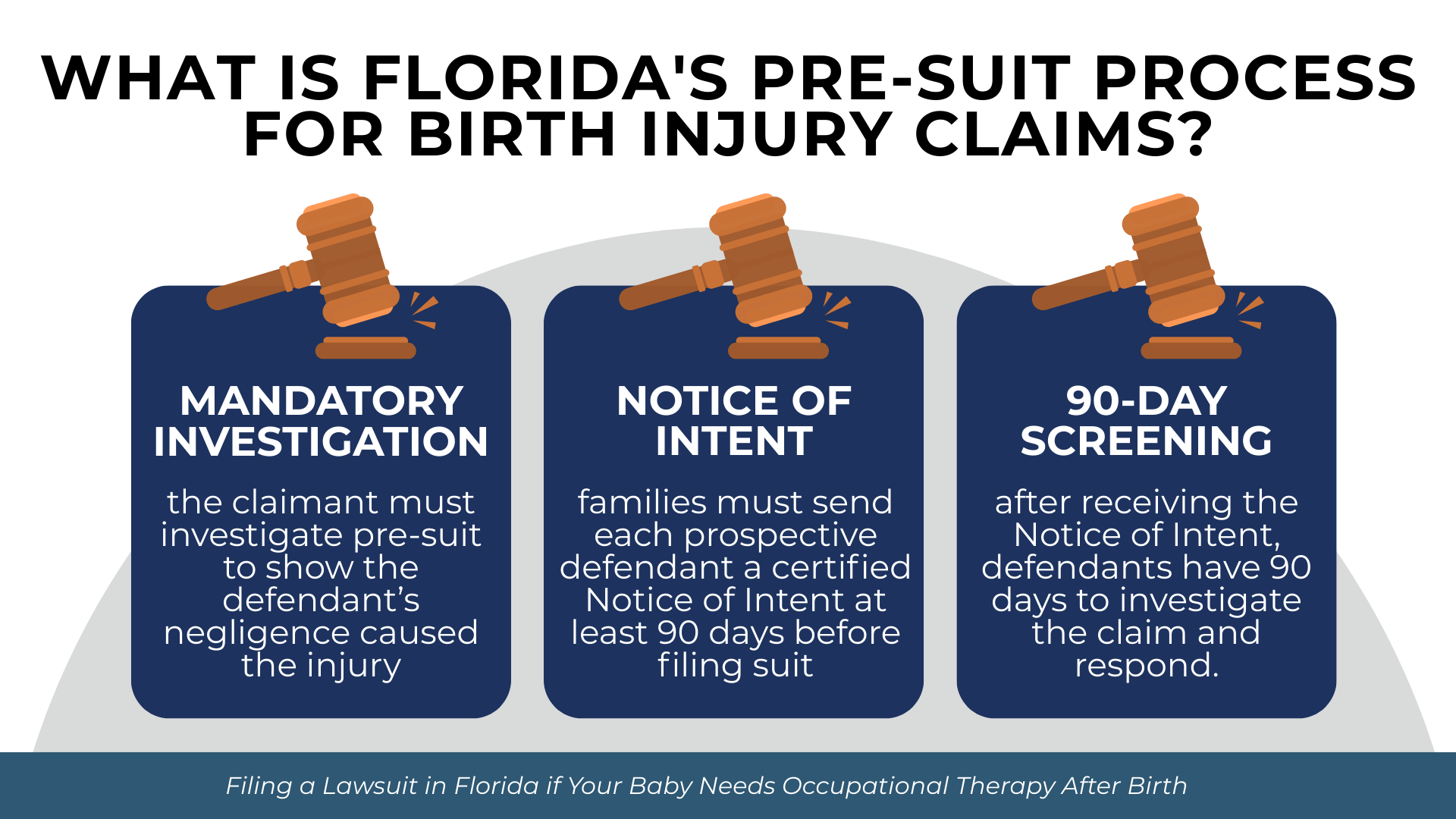
Florida requires a formal pre-suit investigation before filing any medical malpractice complaint. Under Fla. Stat. § 766.203, the claimant must complete a pre-suit investigation to establish reasonable grounds to believe the defendant was negligent and that such negligence resulted in injury. This investigation must include obtaining a verified written opinion from a qualified medical expert corroborating reasonable grounds to support the claim.
The expert opinion requirement is mandatory—you cannot file a birth injury lawsuit in Florida without first having a licensed healthcare provider review the medical records and confirm that the evidence supports a malpractice claim.
Notice of Intent Requirements
Before filing suit, you must serve a written Notice of Intent to Initiate Litigation on each prospective defendant by certified mail at least 90 days before filing the complaint. Under Fla. Stat. § 766.106(2), the Notice of Intent must include specific information:
- A list of all known healthcare providers who treated your baby after the alleged negligence
- All known providers who treated your baby during the two years before the alleged negligent act
- Copies of all medical records relied upon by the expert in forming their opinion
- An executed HIPAA authorization form as required by Fla. Stat. § 766.1065
The corroborating expert opinion must be submitted when the Notice of Intent is mailed.
The 90-Day Screening Period
After receiving the Notice of Intent, defendants have 90 days to investigate the claim and respond. During this period, defendants must either reject the claim, make a settlement offer, or offer to arbitrate. Under Fla. Stat. § 766.106(4), the 90-day pre-suit period tolls the statute of limitations, ensuring you do not lose filing time while complying with mandatory procedures.
If the defendant rejects your claim, you may file suit 60 days after rejection or upon expiration of the remaining limitations period, whichever is greater. The Florida Supreme Court confirmed in Boyd v. Becker, 627 So. 2d 481 (Fla. 1993), that the 90-day tolling period is measured from the date notice is received by prospective defendants, not the date mailed.
How Long Do You Have to File a Birth Injury Claim in Florida?
Get started with your complimentary case evaluation today;
call us at (305) 694-2676 or reach us online using our
secure contact form.
The Two-Year Statute of Limitations
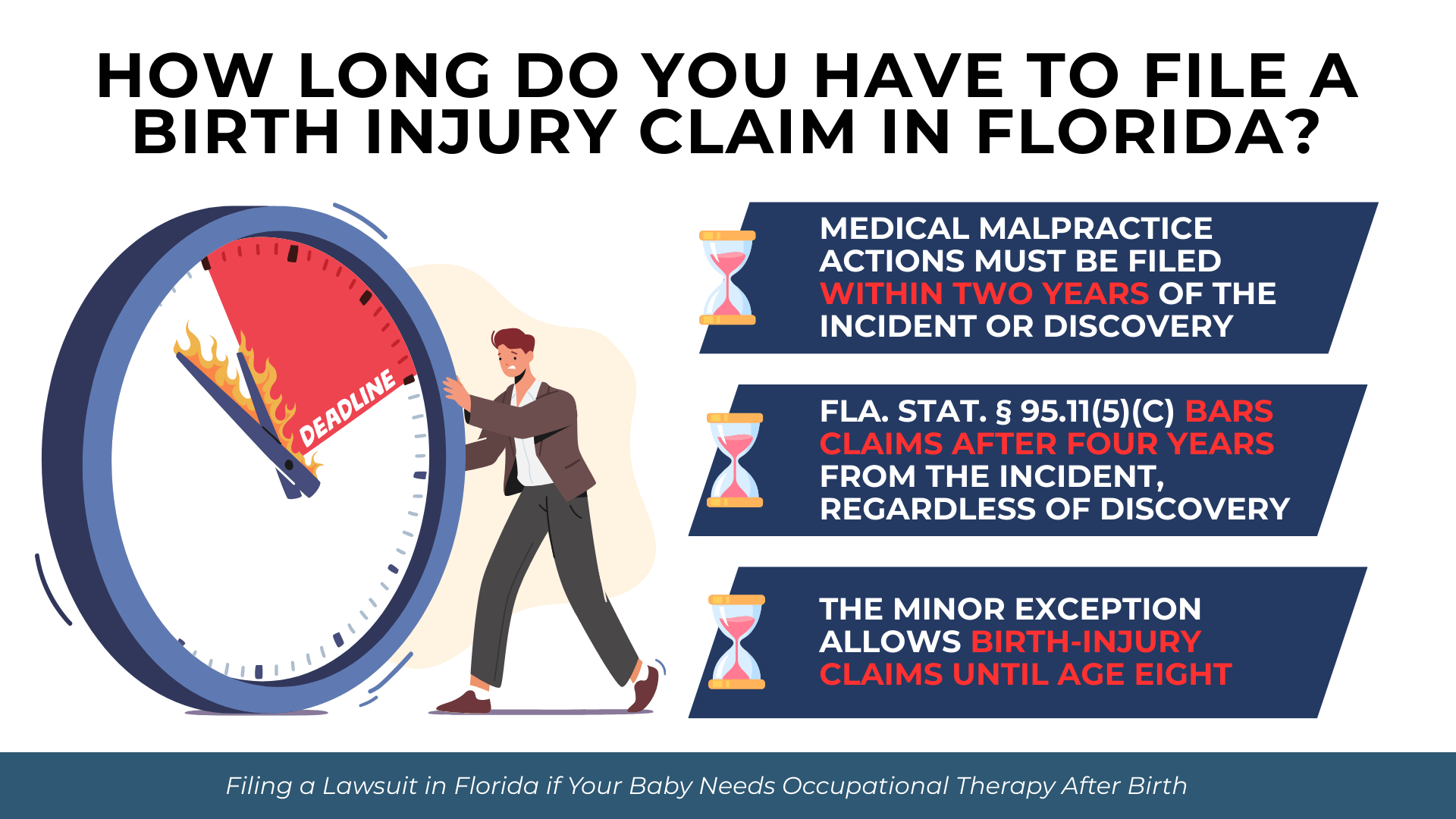
Under Fla. Stat. § 95.11(5)(c), medical malpractice actions must be commenced within two years from the time the incident occurred or within two years from when the incident is discovered or should have been discovered with due diligence.
The Florida Supreme Court clarified the discovery rule in Tanner v. Hartog, 618 So. 2d 177 (Fla. 1993). The statute of limitations begins running when the plaintiff has knowledge of the injury AND a “reasonable possibility that the injury was caused by medical malpractice.” For birth injury cases, this means the clock may not start until you have reason to connect your baby’s condition to delivery complications.
The Four-Year Statute of Repose
Regardless of when you discover the injury, Fla. Stat. § 95.11(5)(c) imposes a four-year statute of repose measured from the date of the incident. This absolute deadline bars claims even if it was impossible to discover the malpractice within four years.
However, the statute contains a critical exception for children: the four-year repose period does not bar an action filed on behalf of a minor on or before the child’s eighth birthday. This extended deadline recognizes that birth injuries often manifest gradually as developmental milestones are missed.
Special Rules for Claims Involving Minors
The minor exception provides significant protection for families whose children’s injuries become apparent over time. If your baby was injured at birth, you have until the child turns eight years old to file suit, even if more than four years have passed since delivery. Filing a Notice of Intent tolls both the statute of limitations and the statute of repose under Musculoskeletal Inst. Chartered v. Parham, 745 So. 2d 946 (Fla. 1999).
Additionally, Fla. Stat. § 766.104(2) permits an automatic 90-day extension upon petition to the clerk with a filing fee, provided the petition is filed within the limitations period. The Florida Supreme Court confirmed in Hillsborough County Hospital Authority v. Coffaro, 829 So. 2d 862 (Fla. 2002), that this purchased extension may be added to the 60-day period following pre-suit completion.
What Damages Can You Recover for Your Baby’s Occupational Therapy Needs?
Economic Damages for Medical and Therapy Costs
Economic damages compensate for quantifiable financial losses resulting from your baby’s injuries. These include all past medical expenses, current therapy costs, and projected future care needs. For children requiring occupational therapy, these costs can extend across their entire lifetime.
According to data from the Journal of Pediatric Orthopaedics (2024), brachial plexus injuries occur at a rate of 0.9 to 1.1 per 1,000 live births, and the Canadian Paediatric Society (2021) reports that 20-30% of infants with neonatal brachial plexus palsy do not recover fully. Children with permanent injuries face years of therapy, potential surgeries, and ongoing medical monitoring—all compensable as economic damages.
Non-Economic Damages for Pain and Suffering
Non-economic damages address the human toll of birth injuries: your child’s physical pain, emotional suffering, and diminished quality of life. Following the Kalitan decision, Florida currently has no enforceable caps on non-economic damages in medical malpractice cases involving personal injury.
Florida courts permit per diem arguments for calculating non-economic damages, allowing juries to consider a daily rate multiplied by the projected duration of suffering. For children with permanent conditions requiring lifetime therapy, these calculations can result in substantial awards.
Calculating Lifetime Care Costs
Lifetime care costs are typically supported through medical testimony and life care planning, sometimes supplemented by economic analysis for long-term projections. These experts evaluate the frequency and duration of occupational therapy sessions, additional therapies that may be required, adaptive equipment needs, educational accommodations, and potential lost earning capacity.
According to PMC/NIH research (2011), 40-60% of infants with HIE die by age 2 or develop severe disabilities including intellectual disability, epilepsy, and cerebral palsy. For children who survive with significant impairments, lifetime care costs can reach millions of dollars.
Frequently Asked Questions About Birth Injury Lawsuits and Occupational Therapy
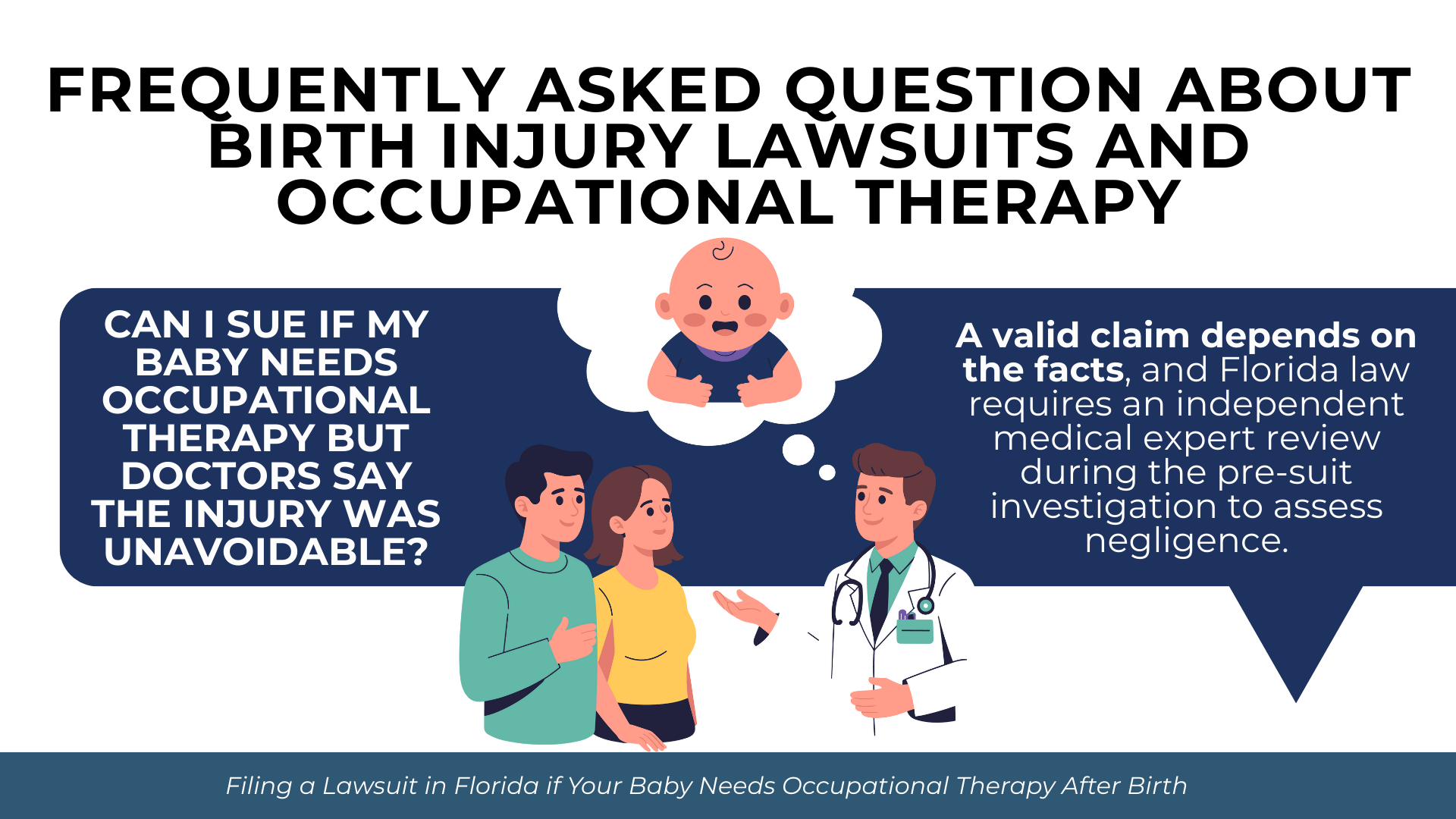
Can I sue if my baby needs occupational therapy but doctors say the injury was unavoidable?
Whether you have a valid claim depends on the specific facts, not the treating physician’s characterization. Healthcare providers who caused an injury rarely acknowledge fault. A qualified medical expert reviewing your delivery records can provide an independent assessment of whether the injury resulted from negligence or was truly unavoidable. Florida law requires this expert review as part of the mandatory pre-suit investigation.
How do I know if my baby’s need for OT was caused by medical negligence?
Certain factors suggest potential malpractice: emergency interventions during delivery, abnormal fetal heart rate patterns that went unaddressed, delayed cesarean section, difficult instrument-assisted delivery, low Apgar scores, or need for resuscitation. An experienced birth injury attorney can arrange for medical experts to review your records and determine whether the standard of care was breached.
What if I did not realize my baby’s condition was caused by a birth injury until years later?
Florida’s discovery rule under Tanner v. Hartog provides that the statute of limitations begins when you have knowledge of both the injury and a reasonable possibility it was caused by malpractice. Additionally, claims on behalf of minors may be filed until the child’s eighth birthday, regardless of the four-year statute of repose. However, earlier action is always advisable to preserve evidence and witness recollections.
Does Florida have damage caps for birth injury lawsuits?
Florida’s statutory caps on non-economic damages in medical malpractice cases were declared unconstitutional by the Florida Supreme Court in McCall (2014) and Kalitan (2017). Currently, no enforceable caps limit non-economic damage recovery in birth injury cases. However, claims against government hospitals remain subject to sovereign immunity caps of $200,000 per person and $300,000 per incident under Fla. Stat. § 768.28.
Will I need a medical expert to file a birth injury claim?
Yes. Florida law absolutely requires expert testimony in medical malpractice cases. Under Fla. Stat. § 766.203, you cannot even serve a Notice of Intent without first obtaining a verified written expert opinion corroborating reasonable grounds to support your claim. The expert must be a licensed healthcare provider who has reviewed the pertinent medical records and can testify about the standard of care, breach, and causation.
Taking Action for Your Child’s Future
When your baby requires occupational therapy due to birth-related injuries, pursuing a medical malpractice claim may provide the financial resources necessary for your child’s ongoing care. Florida’s legal framework imposes specific requirements—expert review, pre-suit notice, and proof that negligence more likely than not caused the injury—but families who meet these standards can recover comprehensive damages without arbitrary caps limiting their recovery.
Time limits apply to birth injury claims, with special protections extending deadlines for cases involving children. Early investigation preserves critical evidence, including medical records, fetal monitoring strips, and witness recollections that may fade over time.
If you have questions about whether your baby’s need for occupational therapy may be connected to preventable medical errors, contact Prosper Injury Attorneys to discuss your situation.